
Intimate Partner Violence & Emotional Abuse Support in San Diego and across california
A trauma-informed, attachment-focused approach to healing from emotional abuse and reclaiming your Life and sense of self.


When You’re Still Questioning What Really Happened
Emotional abuse and coercive control leave deep, invisible wounds. The confusion, self-doubt, and lingering anxiety you are experiencing are real.
At Cove Counseling Group, we specialize in helping adults break free from the trauma of emotionally abusive relationships. If you have experienced or survived gaslighting, manipulation, control, or subtle psychological abuse, we’re here to help you heal.
What Emotional abuse can look like
Emotional abuse doesn’t always involve profanity, name-calling, or yelling. It’s often more nuanced and involves a pattern of behavior that is coercive and controlling in nature.
Emotional abuse strips away your sense of self and erodes your self-worth.
Common tactics include:
Gaslighting — denying your reality or making you question your reality
Isolation — cutting you off from friends, family, and general support system
Controlling behaviors—efforts to limit and infringe on your autonomy and privacy
Blame-shifting —blaming you for their negative moods, reactivity and distress
Regular criticism —targeted, systematic criticism designed to create shame, distort your self-perception, and magnify your insecurities.
If this feels familiar, you don’t have to face it alone.

Emotional Abuse vs. Healthy Conflict
While conflict in a relationship is normal, in an emotionally abusive relationship the abuser creates and uses conflict to assert power and control over you.
Healthy conflict involves:
Open and honest communication: Both partners feel safe expressing their thoughts and feelings without fear of punishment or consequence.
Shared responsibility: Each person acknowledges their role in the conflict and works collaboratively toward resolution.
Mutual trust and respect: Disagreements are navigated with care for each other’s well-being and emotional safety.
Willingness to repair and reconnect:After conflict, both partners actively work to restore connection and understanding.
Setting and honoring boundaries Each person respects the other's emotional, physical, and relational limits—even in moments of tension.
Emotional abuse involves:
Complete disregard for your feelings and experiences: Your feelings are regularly minimized, dismissed, or invalidated.
Pushing back on or ignoring your boundaries: When you express a need or limit, the other person challenges it, mocks it, or violates it repeatedly.
Coercive, controlling, and manipulative tactics: These may include guilt-tripping, gaslighting, love-bombing, withdrawal, or threats.
Isolating you from support: When your partner tries to limit your contact with friends, family, or other important support persons in your life.
Creating a climate of fear, guilt, or obligation: When you feel like you’re constantly “walking on eggshells” around your partner.


Emotional abuse impacts the nervous system
Although emotional abuse doesn’t leave visible wounds or bruises, its impact is very real. After emotional abuse, you may notice:
Hypervigilance or constant scanning for threat
Difficulty trusting your perception
Anxiety in new relationships
Emotional numbness or shutdown
Feeling easily triggered by tone shifts or conflict
When your nervous system has been hijacked by the “high highs and low lows,” safety can start to feel unfamiliar.
Many survivors experience:
Anxiety, depression, or symptoms of PTSD
Guilt, shame, or persistent self-doubt
Hypervigilance in new relationships
A shaken or diminished sense of self-worth
At Cove Counseling Group, we understand the lasting impact of this kind of relational trauma — even long after the relationship has ended.
Therapy helps you gently restore a sense of internal stability and trust.

Intimate Partner Violence and Severe Coercive Behaviors
Intimate partner violence (IPV) often escalates beyond emotional manipulation to include more severe forms of control and intimidation. These behaviors create an atmosphere of fear and can include:
Physical abuse- Hitting, pushing, choking, restraining, or making any unwanted physical contact
Sexual abuse - Forcing sexual acts, engaging in sexual coercion or reproductive coercion
Technology abuse - Device monitoring, GPS tracking, demanding access to your accounts or passwords
Stalking - Following, making uninvited appearances, engaging in excessive contact
Threats - Threatening to harm to you/loved ones, weapon displays, threatening suicide as manipulation, physical posturing
Financial or economic abuse - restricting your income/access to money, sabotaging your work/career, creating debt, controlling all of your resources
Isolation - Preventing social contact, controlling your movement and activity
This is not your fault. Specialized support is available.

What Therapy for Abuse Can Help With
Therapy can support you in:
Safety planning and identifying helpful resources
Rebuilding self-trust and clarity
Processing confusion, anger, and grief
Reducing anxiety and trauma symptoms
Understanding trauma bonds and attachment wounds
Strengthening boundaries in future relationships
Reconnecting with your confidence and sense of self
Healing is not about blaming yourself for staying. It’s about understanding and processing what happened, identifying and challenging self-limiting beliefs and reclaiming your life.
Therapy for IPV & emotional abuse in san diego, CA
We offer in-person and virtual therapy in San Diego for individuals who value face-to-face connection and support in a calming, welcoming space.
Our office is centrally located in Mission Valley, with easy access to major freeways and just minutes from neighborhoods like Hillcrest, North Park, University Heights, and other nearby communities.
Whether you're looking for therapy close to home or during your workday, our convenient location makes it easier to prioritize your healing.

Online Therapy for Emotional abuse Throughout California
In addition to in-person sessions in San Diego, we provide virtual therapy to clients throughout California — including the Bay Area and San Francisco, Sacramento, Los Angeles, Orange County, and surrounding communities.
You can access specialized support from the privacy of your home — wherever you are in the state.
You Don’t Have to Untangle This Alone
If you’re ready to make sense of what happened and begin rebuilding your confidence and sense of safety, we’re here to support you.
Cove Counseling Group offers therapy for healing after emotional abuse in San Diego and virtually throughout California.
Schedule a consultation today.
Your Safety and Privacy Matter
We understand that seeking help for intimate partner violence requires courage and careful planning. At Cove Counseling, we're here to help you take that step safely:
Initial and ongoing safety planning: We can discuss and support you in safety planning before you start therapy and develop personalized safety strategies along the way that work for your specific situation.
Flexible and safe communication: We can arrange secure ways to contact you that won't compromise your safety
Private pay benefits: Private pay options to protect your privacy (i.e. your partner will be unable to access insurance claims).
Specialized trauma-informed care: Our therapists are highly trained in the complex dynamics of intimate partner violence. We provide a safe, judgment-free space to explore your experiences and develop healthy coping strategies.
Crisis Resources:
For Immediate help: Call 911 or the National Domestic Violence Hotline 1-800-799-7233
Meet Our California Based Trauma-Informed Therapists
At Cove Counseling Group, all of our therapists are trauma-informed. Each brings a unique approach, but all share a commitment to helping you feel safe, seen, and supported.

Leah Aguirre Barnes, LCSW

Diana Rabban, LCSW
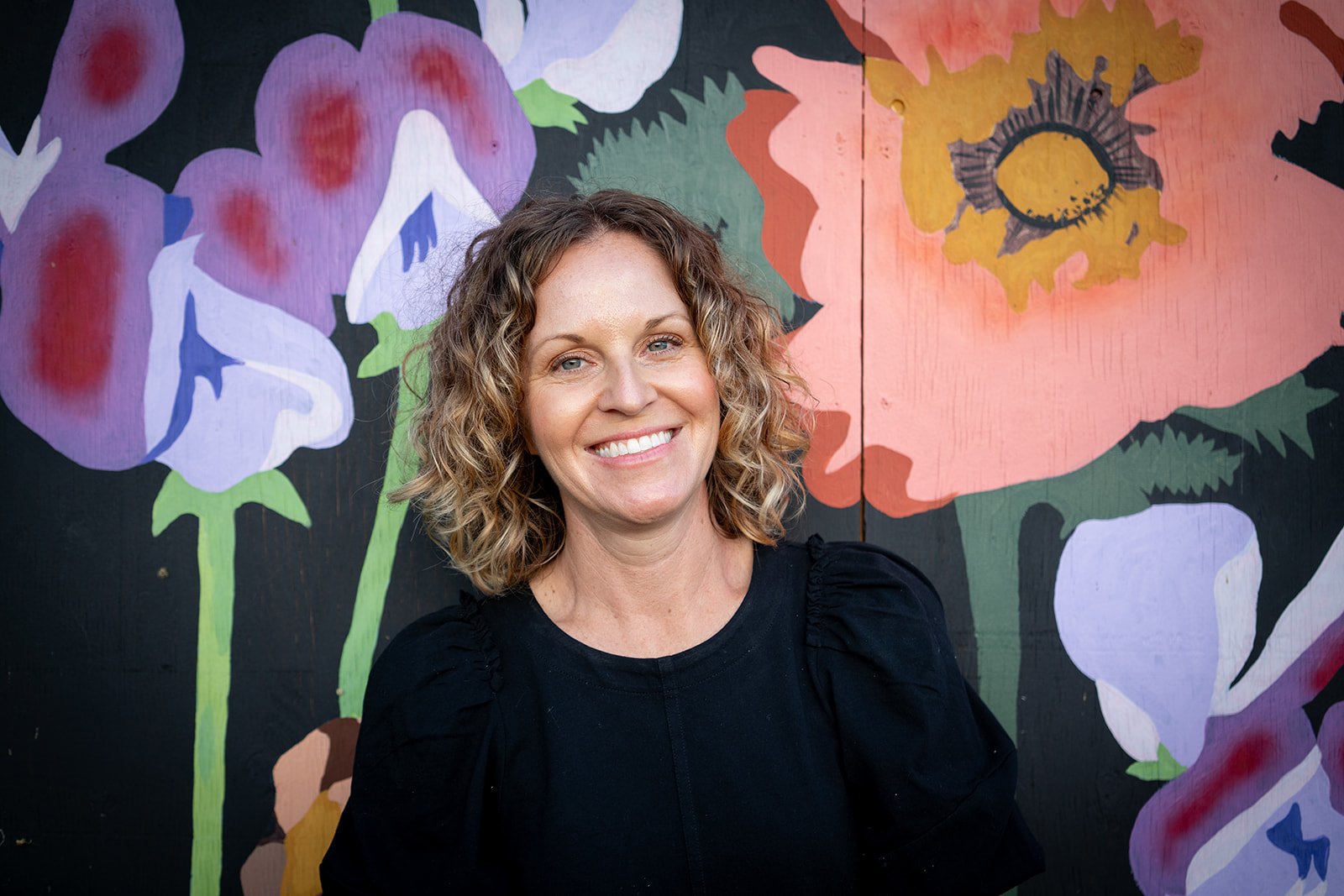
Laura McLean, LMFT

Tara D’Mello, LMFT

Alexa Methratta, PsyD, LP

Rachel Bennett, LCSW

Allie King, PhD, LMFT